
Introduction to Traditional Greek Orange Cake
The allure of homemade desserts
There's something truly special about homemade desserts that brings warmth and comfort to our lives. As many young professionals know, after a long week, treating yourself to a sweet indulgence is one of the simplest pleasures. Enter the traditional Greek orange cake, or Portokalopita, a delightful dessert that encapsulates the essence of Greek culinary tradition. This cake is not just a treat; it’s a celebration of flavors that harmonizes the zest of oranges with the warmth of cinnamon.
What makes this cake stand out is its unique texture, created by crumbled phyllo dough that absorbs a luscious orange syrup. That irresistible burst of citrus, paired with the rich syrup, tantalizes your taste buds like no other and offers a slice of Greek hospitality in your own home. Want to impress your guests? This cake will surely be the spotlight of any gathering.
For those interested in a deeper dive into Greek desserts, I recommend checking out resources like Greek Food and Cooking or My Greek Dish to explore the traditions behind these delectable recipes. Are you ready to bring a little piece of Greece to your kitchen with this easy-to-make cake? Let’s get started!
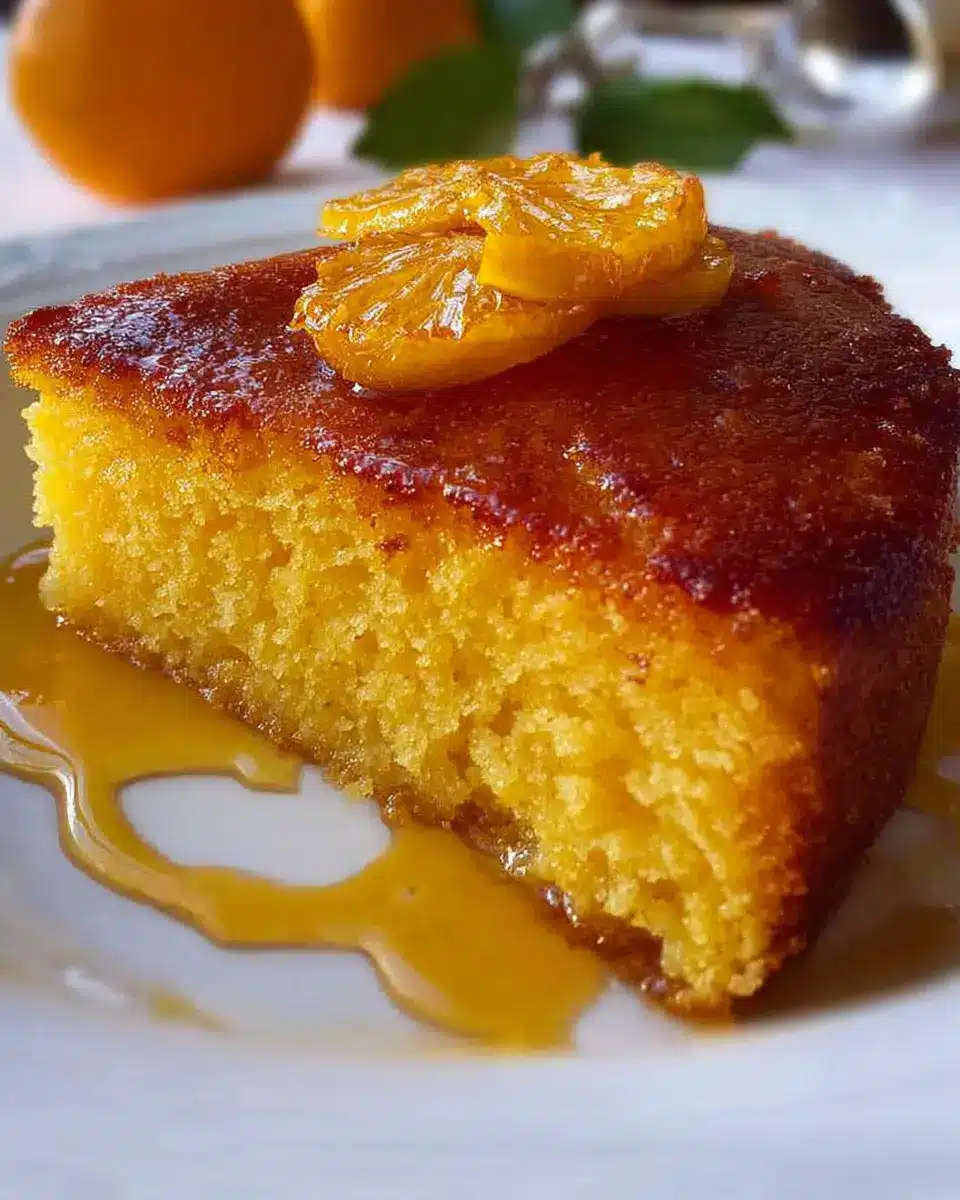
Ingredients for Traditional Greek Orange Cake
Essential Ingredients for Portokalopita
To make a delightful traditional Greek orange cake, also known as Portokalopita, you will need the following essential ingredients:
- 200g yogurt (2% fat): Adds moisture and richness.
- 300 ml vegetable oil: Gives the cake a soft texture.
- 300 ml sugar: Sweetens the cake beautifully.
- 300 ml orange juice: Infuses that delicious citrus flavor.
- 20g baking powder: Helps the cake rise perfectly.
- Zest of 1 ½ orange: Enhances the orange aroma.
- 1 teaspoon vanilla extract: Adds a hint of warmth.
- 440–450g phyllo dough: The star ingredient, providing texture.
- 4 medium-sized eggs: Binds everything together.
Optional Ingredients for Customization
If you want to put your own spin on this classic recipe, consider these optional add-ins:
- Cinnamon stick for the syrup: Adds a warm spice note.
- Nuts (like walnuts or pistachios): For a crunchy texture.
- Other citrus zests: Such as lemon or grapefruit, for a zesty twist.
These ingredients not only contribute to your traditional Greek orange cake, but they also allow room for creativity, so don’t hesitate to experiment! For more detailed instructions, check out the full recipe here.
Step-by-step Preparation of Traditional Greek Orange Cake
Creating a delicious traditional Greek orange cake (Portokalopita) is a wonderfully immersive experience that captures the essence of Greek cuisine. This cake, with its aromatic zing of orange and sweet syrup, is guaranteed to impress your friends and family. Follow these steps to nail the recipe!
Preparing the phyllo dough
Start by unwrapping your phyllo dough from its plastic sleeve. This step is essential as it allows the phyllo sheets to dry slightly at room temperature for about 20 minutes. If you're short on time, you can place a few sheets on a large baking tray and bake them at a low temperature (100°C/200°F) until they are dry. Remember, the dried phyllo contributes to the cake’s delightful texture.
Making the syrup
While the phyllo is drying, it's the perfect time to prepare the syrup. In a medium pot, mix together water, sugar, orange zest, and a cinnamon stick for that cozy, warm flavor. Bring the mixture to a boil, then reduce the heat and let it simmer for 5-10 minutes until the sugar dissolves, forming a slightly thickened syrup. Set the syrup aside to cool - it’s vital that you pour this syrup over the cake while it’s still hot!
Mixing the cake batter
Next, grab a large mixing bowl and start creating the cake batter. Begin by adding vegetable oil, sugar, and eggs to the bowl, whisking them together until you get a smooth mixture. Then, blend in yogurt, orange juice, orange zest, and vanilla extract. For a light and airy texture, add the baking powder and whisk lightly until everything is combined.
Crumbling and adding phyllo
This is a fun step! With clean hands, crumble the dried phyllo dough into small pieces, roughly the size of a small coin. Gradually add the crumbled phyllo to your batter while mixing to prevent them from sticking together. This creates the unique texture that Portokalopita is known for!
Baking the cake
Next, you'll want to prepare your baking tray. Use a cooking brush to oil the bottom and sides of a tray (approximately 20x30 cm / 8x12 inches). Pour the mixture in and spread it out evenly. Preheat your oven to 180°C (350°F) and bake for 40-50 minutes. It’s ready when the top is nicely golden and a knife comes out clean when poked into the center.
Pouring the syrup over the cake
Once the cake comes out of the oven, it’s showtime! Slowly pour the cold syrup over the hot cake, allowing each ladle of syrup to be absorbed before adding more. This step is key to ensuring your cake is profoundly moist and flavorful.
Cooling and serving
Let your traditional Greek orange cake cool down and soak up the syrup. For the best results, refrigerate it before serving—this way, it will hold its shape better and be refreshingly cold. Enjoy it plain or topped with a big spoonful of ice cream for an extra touch of indulgence!
Now that you’ve mastered these steps, why not share your creation on social media or with friends? Your kitchen adventure awaits!

Variations of Traditional Greek Orange Cake
Chocolate Orange Twist
If you’re a fan of chocolate, why not blend the flavors with your traditional Greek orange cake? Simply add cocoa powder (about 50g) into your cake batter for a delightful chocolatey twist. You can also fold in some chocolate chips or chunks before baking to create a rich, decadent experience. This variation offers a lovely balance between the citrus notes and chocolate sweetness, making it an exciting dessert option.
Nutty Orange Variation
For those who adore nuts, consider incorporating finely chopped walnuts or almonds into your traditional Greek orange cake batter. About 100g of nuts adds a satisfying crunch, enriching the cake’s texture and flavor profile. Toasting the nuts beforehand enhances the nutty aroma and complements the orange syrup beautifully.
Experimenting with these variations not only adds a personal touch but also allows you to cater to diverse palates! For inspiration on more creative twists, check out blogs dedicated to Mediterranean desserts such as Mediterranean Dish or My Greek Dish.
Cooking Tips and Notes for Traditional Greek Orange Cake
Tips for Handling Phyllo
When working with phyllo dough, remember that it dries out quickly. Keep unused sheets covered with a damp cloth to maintain their flexibility. If you decide to bake them to dry, do so gently to avoid burning. Crumpling the dough into small pieces adds texture to the traditional Greek orange cake, so don’t worry if they’re a little uneven!
Notes on Syrup Consistency
For the syrup, achieving the right consistency is key. The syrup should be thick enough to coat the cake but still pourable. Simmering for 5–10 minutes usually does the trick. If it's too thin, continue simmering until it thickens. For a lovely depth of flavor, consider adding a bit of lemon juice. This brightens the syrup and complements the oranges beautifully.
Feel free to check out more about syrup techniques or phyllo handling tips on reputable cooking sites for additional insights!
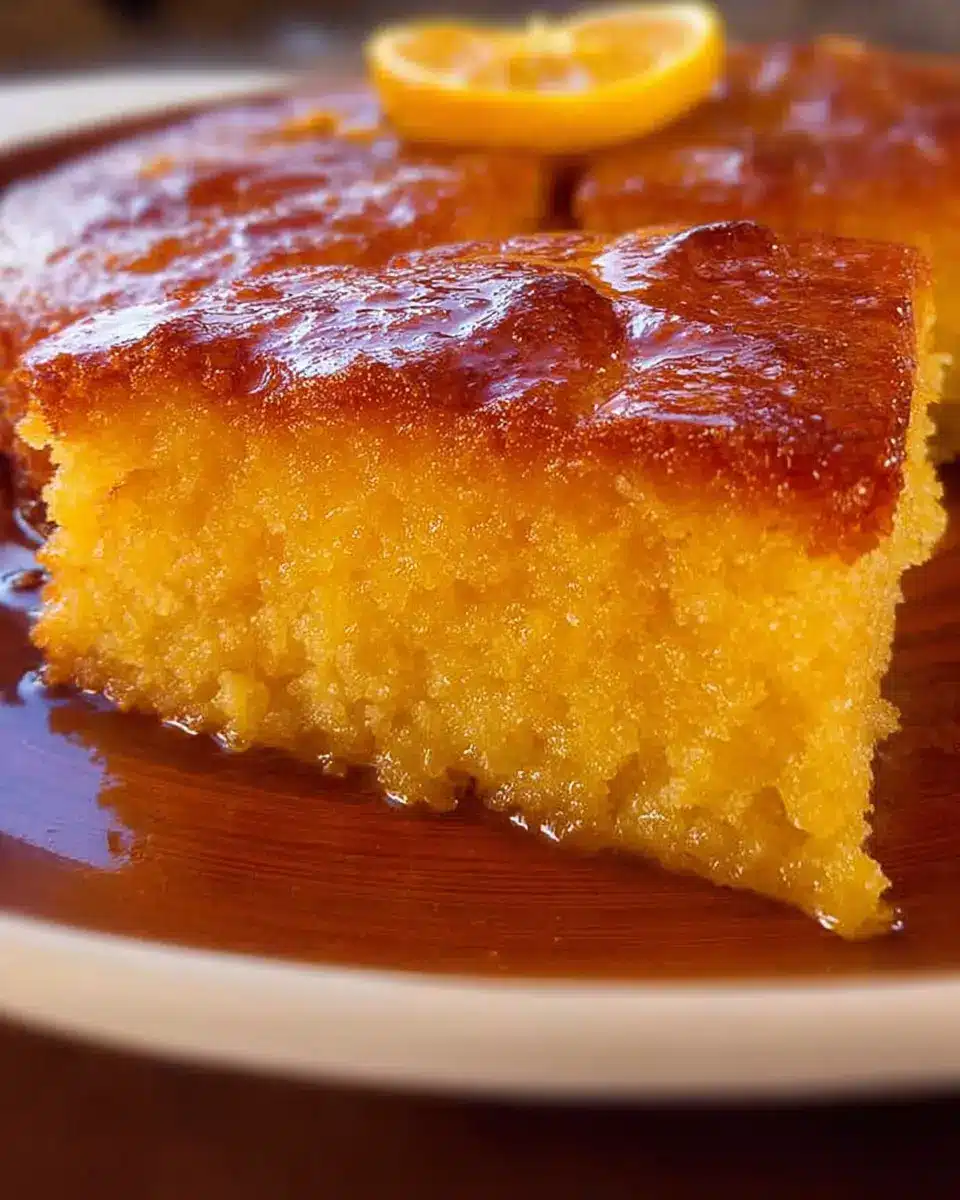
Serving Suggestions for Traditional Greek Orange Cake
Pairing Suggestions
Elevate your traditional Greek orange cake experience by pairing it with delightful accompaniments:
- Serve with a generous dollop of fresh Greek yogurt for a creamy contrast.
- A scoop of vanilla ice cream adds an indulgent touch, balancing the cake's sweetness beautifully.
- For a citrusy kick, try it alongside a side of orange or lemon sorbet.
Ideal Serving Temperatures
The ideal way to enjoy your Portokalopita is chilled. After soaking in syrup, let it rest in the refrigerator for several hours (or overnight!) to absorb the flavors. Serving it cold helps the cake maintain its texture and ensures each bite is refreshingly delicious. A little tip? Warm cake can get crumbly, so stick to serving it chilled for the best experience.
For more inspiration on Greek desserts, check out My Greek Dish for more delightful recipes!
Time Breakdown for Traditional Greek Orange Cake
Preparation Time
Get ready to whip up this delightful dessert in just 20 minutes. Gather your ingredients and set the scene for a delightful baking adventure!
Cooking Time
Once your ingredients are prepped, the cooking time will take about 50 minutes. While your traditional Greek orange cake is baking, the sweet aromas will fill your kitchen.
Total Time
In just 1 hour and 10 minutes, you’ll have a delicious Portokalopita ready to wow your friends and family. Don’t forget to let it cool to let the syrup soak all the way through!
For more tips on perfecting this cake, check out additional resources like this article on syrup cakes. Enjoy your baking!
Nutritional Facts for Traditional Greek Orange Cake
Calories per serving
Each delicious piece of traditional Greek orange cake contains approximately 644 calories. While it’s a luscious treat, it’s good to be mindful of portion sizes.
Breakdown of sugar and fat content
In this cake, you'll find 62.5g of sugar, which adds to its delightful sweetness. Additionally, it features 32g of fat, with 5.2g of saturated fat. If you're intrigued by dessert nutrition, check out the USDA’s FoodData Central for more insights into sugar and fat content in other foods!
This cake is a delightful indulgence, best enjoyed in moderation!
FAQs about Traditional Greek Orange Cake
Can I substitute ingredients in the recipe?
Absolutely! If you're looking to make adjustments, here are a few swaps you might consider:
- Yogurt: You can use Greek yogurt instead of regular yogurt for a creamier texture.
- Sugar: Brown sugar adds a lovely molasses flavor, but keep the quantity roughly the same.
- Oil: If you prefer a different taste, try substituting vegetable oil with olive oil for a more traditional Greek touch.
How can I store leftovers?
To keep your traditional Greek orange cake fresh, store it in an airtight container in the refrigerator. It can last up to one week. For extended storage, you can also freeze individual pieces wrapped in plastic, which retains flavor and texture for up to three months.
What should I serve with the cake?
This delightful cake pairs beautifully with a dollop of whipped cream or a scoop of vanilla ice cream. You can also enjoy it with a cup of aromatic Greek coffee or a refreshing herbal tea for a delightful afternoon treat. Try serving it at your next gathering—you'll impress your guests! Want more pairings? Check out suggestions for drinks that complement desserts here.
Conclusion on Traditional Greek Orange Cake
Embracing the flavors of Greece at home
In conclusion, indulging in a slice of traditional Greek orange cake is truly a delightful experience. Rich in citrus flavors and drizzled with syrup, this easy-to-make treat transports you to the sun-kissed landscapes of Greece. Share it with loved ones for a warm, memorable moment!

Traditional Greek Orange Cake with Syrup (Portokalopita)
Equipment
- baking tray
Ingredients
For the Portokalopita
- 200 g yogurt (2% fat)
- 300 ml vegetable oil
- 300 ml sugar
- 300 ml orange juice
- 20 g baking powder
- 1.5 zest orange
- 1 teaspoon vanilla extract
- 440–450 g phyllo dough
- 4 medium sized eggs
For the syrup
- 400 ml water
- 400 ml sugar
- 1 zest orange
- 1 stick cinnamon optional
Instructions
Preparation
- Unwrap the phyllo dough from the plastic sleeve; place the sheets on a large surface and leave at room temperature for 20 minutes, in order to dry well. Alternatively, spread a few on a large baking tray and bake at 100C/200F, until dry; repeat with the rest.
- To prepare this Greek orange cake, start first by preparing the syrup. Pour into a pot the water, the sugar, the orange zest and a cinnamon stick and bring to the boil. Simmer for 5-10 minutes, until the sugar is dissolved and the syrup has thickened. Set aside to cool.
- In the meantime prepare the mixture for the orange cake. Pour the vegetable oil into a large bowl, add the sugar and the eggs and whisk. Add the yogurt, the orange juice, the orange zest and the vanilla extract and whisk well, until the ingredients combine and the mixture is smooth. Add the baking powder, and whisk lightly.
- Crumble the phyllo into small pieces using your hands. Add them gradually into the mixture while whisking so they don’t stick to each other.
- Using a cooking brush, oil the bottom and the sides of a baking tray (approx.20x30cm / 8×12 inch) and pour in the mixture. Bake in preheated oven at 180C/350F for 40-50 minutes until, nicely coloured and cooked through. Check if it is ready, by poking a hole with a knife. If the knife comes out clean, then the cake is ready.
- To finish the orange cake, ladle slowly the cold syrup over the hot cake. Allow each ladle of syrup to be absorbed before ladling again.
- Allow time for the syrup to be absorbed and put in the refrigerator. Greek orange cake is ideally served cold, not hot, so that it does not crumble. Enjoy with a big spoonful of ice cream!



Leave a Reply