
Introduction to Chef John's Sourdough Starter
Creating your own sourdough starter is an incredibly rewarding experience that truly elevates your baking game. If you've ever tasted a slice of freshly baked sourdough bread, you know the unique flavor and texture it can bring to your meals. But have you ever considered the magic behind it? Enter Chef John's Sourdough Starter, a delightful blend of flour and water that, with a little patience and love, transforms into a bubbling, aromatic concoction ready to leaven your favorite baked goods.
Why Homemade Sourdough Starter is Worth the Wait
Though it takes ten days to fully cultivate your starter, the benefits far outweigh the investment in time. A homemade sourdough starter fosters a unique ecosystem of wild yeasts and bacteria, which can enhance the flavor of your breads in ways that commercial yeast simply can’t replicate. Not only will you enjoy a more flavorful loaf, but you’ll also be participating in a centuries-old tradition that connects you to bakers around the world.
Consider this: once you’ve established a thriving sourdough starter, you’ll have a reliable base for a range of delicious recipes, from crusty loaves to pancakes. Plus, you can easily refrigerate your starter and use it whenever you need a dose of artisan flair in your baking. Remember, patience is key; every day you nourish it brings you one step closer to achieving that perfect sourdough bread.
If you’re intrigued and want to learn how to create your own starter, dive into the recipe below!
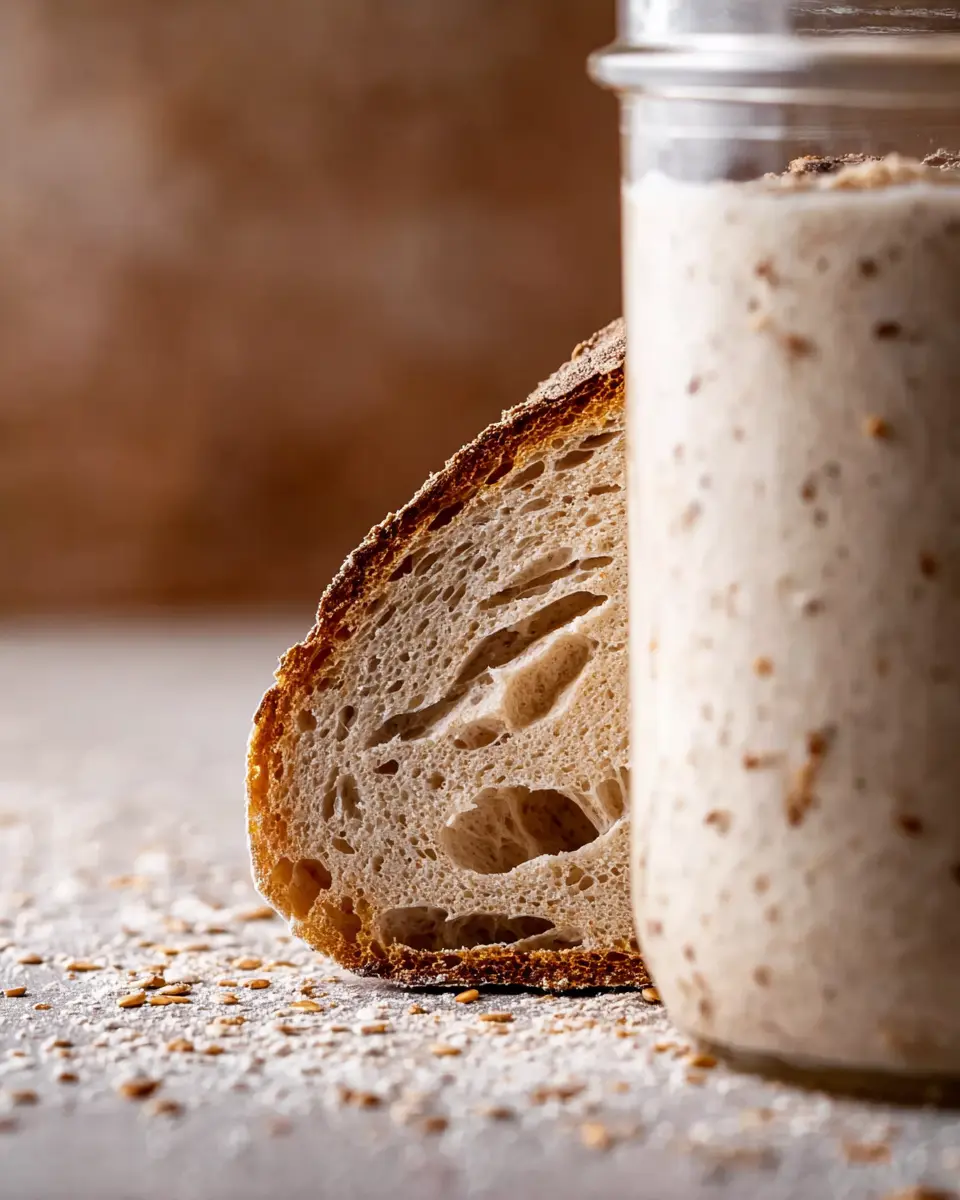
Ingredients for Chef John's Sourdough Starter
List of Essential Ingredients
Creating Chef John's Sourdough Starter requires just two simple ingredients:
- 700 grams bread flour
- 700 grams filtered water, divided
These basic components lay the foundation for your delicious homemade sourdough, and you'll be amazed at how they transform through fermentation!
Importance of Ingredient Quality
When making a sourdough starter, the quality of your ingredients can make all the difference. Using filtered water is crucial, as chlorine in tap water can inhibit the growth of beneficial yeast and bacteria needed for fermentation. For an even better result, consider using bottled water or water that has been boiled and cooled.
Likewise, the choice of flour impacts your starter's performance. High-protein bread flour provides the right environment for yeast to thrive. Feel free to experiment with different flour combinations, like spelt flour, to discover unique flavors in your sourdough bread. Check out resources on sourdough fermentation for some expert insights!
Starting your sourdough journey can be a rewarding experience, and using quality ingredients ensures that your Chef John's Sourdough Starter is off to a great start!
Step-by-step Preparation for Chef John's Sourdough Starter
Creating your Chef John's Sourdough Starter is an exciting journey into the world of fermentation and baking. This starter is key to making delicious, tangy sourdough bread, and while it requires patience, the process is quite simple. Let’s break it down step-by-step.
Day 1: Mixing the Initial Ingredients
Start your adventure by gathering your ingredients: 70 grams of bread flour and 70 grams of filtered water. In a clean container with a lid (make sure it’s roomy enough for future growth), mix the flour and water. Stir until combined to create a thick paste. Cover your container loosely, allowing for the gases from fermentation to escape, and let it sit at room temperature for 24 hours.
This initial mix is where the magic begins, as the natural yeast and bacteria present in the flour start to feed on the sugars, setting the stage for your starter's development.
Day 2: The First Feeding
On the second day, it’s time for your starter’s first feeding. You may not see much change yet, but that’s perfectly normal! Add another 70 grams of flour and 70 grams of water to the existing mixture. Stir well to incorporate air, which is crucial for yeast growth. Cover loosely again and allow it to sit at room temperature for another 24 hours.
You'll start to notice some bubbling—this is a good sign that fermentation is taking place!
Day 3: The Thinning Out Process
Day three is a turning point. First, you'll need to remove half of your starter (about 140 grams). This might seem drastic, but it’s essential for maintaining the right balance of yeast and acidity in your starter. After removing the portion, add 70 grams of flour and 70 grams of water to the remaining mixture. Mix it well and cover loosely before letting it rest at room temperature again for 24 hours.
This thinning out helps to keep your starter healthy and encourages the yeast to multiply.
Day 4–10: Daily Feedings and Fermentation Magic
As you continue this daily routine of feeding (removing half and adding 70 grams each of flour and water), watch for changes in smell and texture. Around days four to ten, your starter should become bubbly, smell fruity, and ideally double in size within a few hours of feeding. This is the point where you’ll know it’s ready to leap into action for baking delicious sourdough bread.
To keep things manageable, you can also check out more tips on proper sourdough starter care from King Arthur Baking.
Storing Your Starter for Future Use
Once your Chef John's Sourdough Starter is fermenting beautifully and you’re ready to make bread, you can store any remaining starter in the refrigerator. This way, you can slow down the fermentation process. Just remember to feed it about once a month to keep it happy and healthy! When you’re ready to bake again, simply remove it from the fridge a couple of days in advance to reactivate it.
By following these steps, you’ll have a thriving sourdough starter that not only enhances your baking but also connects you with an age-old tradition of bread-making. Happy baking!

Variations on Chef John's Sourdough Starter
Exploring Different Flours
While Chef John's Sourdough Starter is best known for its delightful flavor using bread flour, feel free to experiment with other flours to suit your taste. Consider:
- Whole Wheat: This adds nuttiness and improves nutritional value.
- Spelt: A great option for a milder flavor and better digestibility.
- Rye: It brings a robust, earthy flavor and can boost fermentation activity.
Mix and match flours based on what you have on hand, but remember to maintain the weight balance of flour and water to keep the fermentation lively.
Adjusting for Specific Dietary Needs
You might have specific dietary needs or preferences, and that’s perfectly okay! If gluten is a concern, try using a gluten-free flour blend suitable for sourdough. Many blends on the market can mimic the texture and fermentation processes of traditional flours.
Alternatively, aim to reduce the overall carbohydrates by incorporating less flour over time, while embracing more high-fiber options. Research indicates that sourdough fermentation can enhance the digestibility of gluten, making it potentially easier on sensitive stomachs.
For more tips on crafting a starter that works for you, check out resources on gluten-free baking or dietary-specific options available online. Happy baking!
Cooking Tips and Notes for Chef John's Sourdough Starter
Importance of Temperature and Environment
Creating Chef John's Sourdough Starter requires a consistent temperature and environment. Aim for around 70°F (21°C), as that’s the sweet spot for yeast activity. Place your starter in a warm, draft-free area, as fluctuations can slow down fermentation. If your kitchen is too cold, consider using an oven with the light on or a warming drawer to maintain that perfect ambiance.
Best Practices for Maintaining Your Starter
To keep your sourdough starter healthy, follow these best practices:
- Daily Feeding: Feed your starter with equal parts flour and water to keep the yeast thriving.
- Use Filtered Water: Tap water can contain chlorine that might hinder yeast growth. Opt for filtered or boiled water instead.
- Regular Checks: Monitor the bubbles and rise in your starter; it's a sign of its health! When it doubles within a few hours, it’s ready for baking.
For more insights on sourdough techniques, check out King Arthur Baking. Enjoy the process—it’s as rewarding as the delicious bread you'll make!
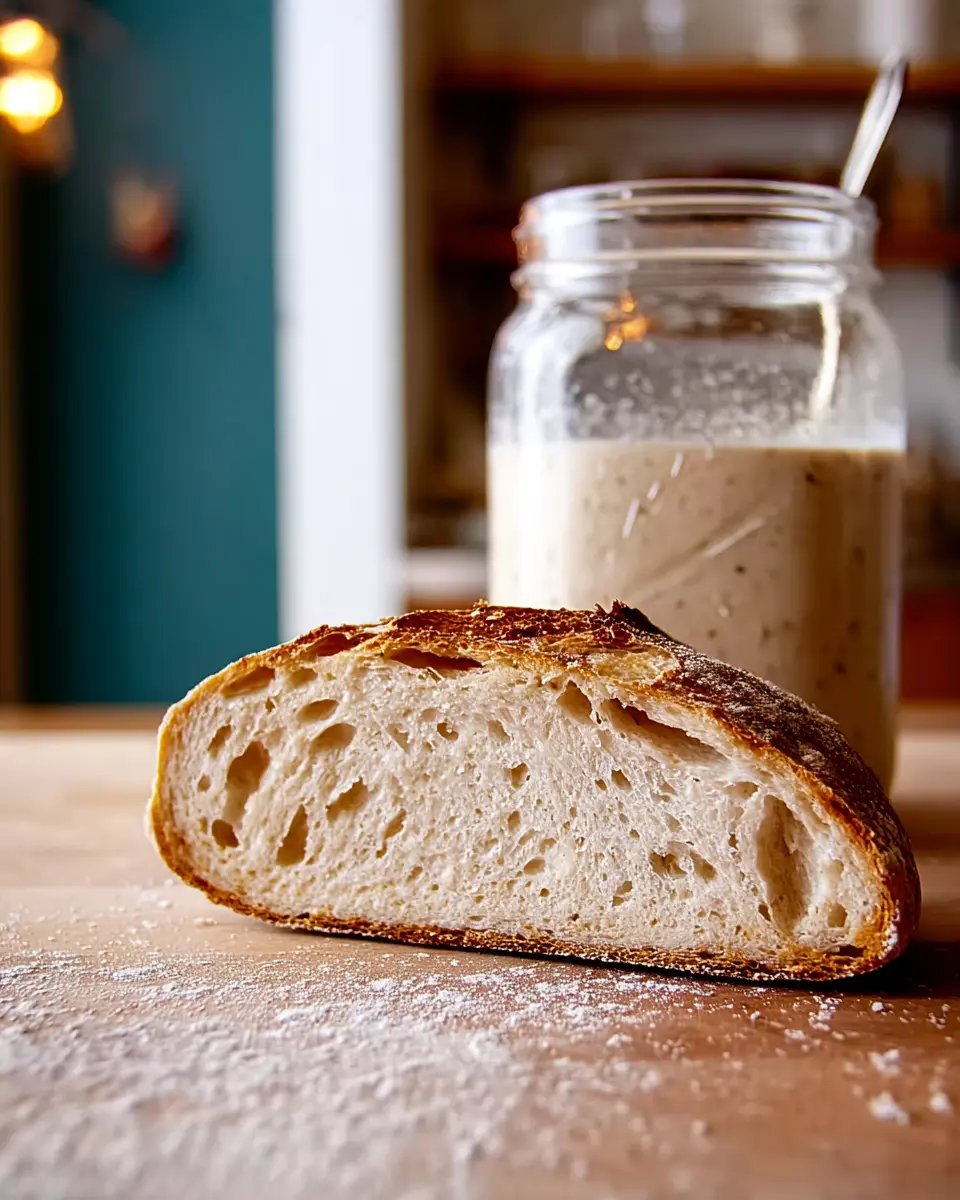
Serving Suggestions for Chef John's Sourdough Starter
How to Incorporate into Meals
Using Chef John's Sourdough Starter in your meals can elevate everyday dishes. Try adding a spoonful to pancake or waffle batter for a delightful tang. For a quick lunch, mix a bit of starter into a creamy risotto or savory soup to enhance the texture and flavor. You can even incorporate it into pasta dough, making your homemade noodles standout with a subtle sourdough twist!
Using the Starter for Different Recipes
Your sourdough starter isn't just for bread! Use it to whip up fluffy sourdough biscuits or flavorful sourdough pancakes. Craving a snack? Bake up some sourdough crackers for a crunchy treat. If you love baked goods, you'll find endless possibilities; check out our recipe for Chef John’s Sourdough Bread for a fantastic puffed-up loaf. Each recipe you explore will turn your cheerful starter into a centerpiece of flavor!
Time Breakdown for Chef John's Sourdough Starter
Daily Commitment Overview
Creating your own sourdough starter can be incredibly rewarding! With Chef John's Sourdough Starter, you'll engage in a simple yet fulfilling routine. Each day for about ten days, you'll commit to just 15 minutes of work for mixing and feeding. Think of it as a daily ritual; one that not only promotes patience but also enhances your baking skills.
Total Time Commitment
In terms of total time, you're looking at about 10 days and 15 minutes. The bulk of this time is passive, as your starter develops with minimal interference from you. Each feeding lets the magic of fermentation happen, transforming simple flour and water into a lively base for your future bread baking adventures. Remember, every moment invested now will lead to countless delicious loaves later on!
Curious about more nuanced aspects of sourdough? Check out this amazing article from King Arthur Baking that dives deeper into starter care.
Nutritional Facts for Chef John's Sourdough Starter
Calories and Macronutrient Breakdown
Chef John's Sourdough Starter, while primarily a means to leaven bread, also packs a bit of nutrition. Each serving contains approximately:
- Calories: 316
- Total Fat: 2g
- Saturated Fat: 0g
- Sodium: 4mg
- Total Carbohydrate: 64g
- Dietary Fiber: 2g
- Protein: 11g
This structure makes it a great base for healthy baked goods without overwhelming calorie counts.
Health Benefits of Sourdough
Using a sourdough starter like Chef John's offers more than just delicious bread. Here’s why sourdough can be a fantastic addition to your diet:
- Better Digestibility: The fermentation process breaks down gluten and phytic acid, making nutrients more available (Healthline).
- Probiotic Benefits: While the baking process kills most live cultures, the prebiotics in sourdough can still support gut health.
- Lower Glycemic Index: Sourdough bread often leads to a slower rise in blood sugar levels, making it a better choice for maintaining energy levels.
Want to elevate your baking and nutrition game? Embrace the art of sourdough-making! It’s a journey that not only results in amazing flavors but also provides a healthier alternative to store-bought bread.
FAQ about Chef John's Sourdough Starter
How do I know my starter is ready?
To ensure Chef John's Sourough Starter is ready for baking, look for a few key signs. A healthy starter should have doubled in size within 2 to 3 hours of feeding. It will also smell pleasant, a mix of fruity and yeasty aromas. If it has bubbles forming throughout, that’s a definite win!
What can I do if my starter isn’t bubbling?
If your starter isn’t bubbling, it may need more time to develop. Here are a few tips to boost its activity:
- Ensure the container is warm enough (around 70°F or 21°C).
- Use bottled or boiled water, as chlorine can hinder yeast growth.
- Check that you’re feeding it the right amounts; consistency is key.
How often should I feed my sourdough starter?
Consistency is crucial for a thriving sourdough starter. Initially, feed it once a day during the early development phase. After about 10 days, you can transition to feeding it about once a month if refrigerated. Just remember to bring it back to room temperature and feed it a couple of times before using it in your recipes!
For more tips, explore resources like The Perfect Loaf for expert sourdough advice.
Conclusion on Chef John's Sourdough Starter
Embracing the art of homemade sourdough
Creating Chef John's Sourdough Starter is a rewarding journey into the world of baking. As your starter ferments and thrives, you’ll discover the joy of nurturing a living culture that brings depth and character to your bread. So roll up your sleeves and get started—delicious bread awaits!
Chef John's Sourdough Starter
Equipment
- Container with lid
- Kitchen Scale
Ingredients
Flour and Water
- 700 grams bread flour
- 700 grams filtered water divided
Instructions
Preparation Steps
- Gather all ingredients.
- Day 1: Mix together 70 grams flour and 70 grams water in a container with a lid. Cover loosely and leave at room temperature for 24 hours.
- Day 2: Add 70 grams flour and 70 grams water. Stir, cover loosely and leave at room temperature for 24 hours.
- Day 3: Remove half (140 grams) of the starter. Add 70 grams flour and 70 grams water. Stir, cover loosely and leave at room temperature for 24 hours.
- Day 4 through about Day 10: Repeat Day 3 each day until the starter smells fruity and yeasty.
- Refrigerate until needed. Feed the starter once a month or so after it has been refrigerated.
- It's ready to use!



Leave a Reply